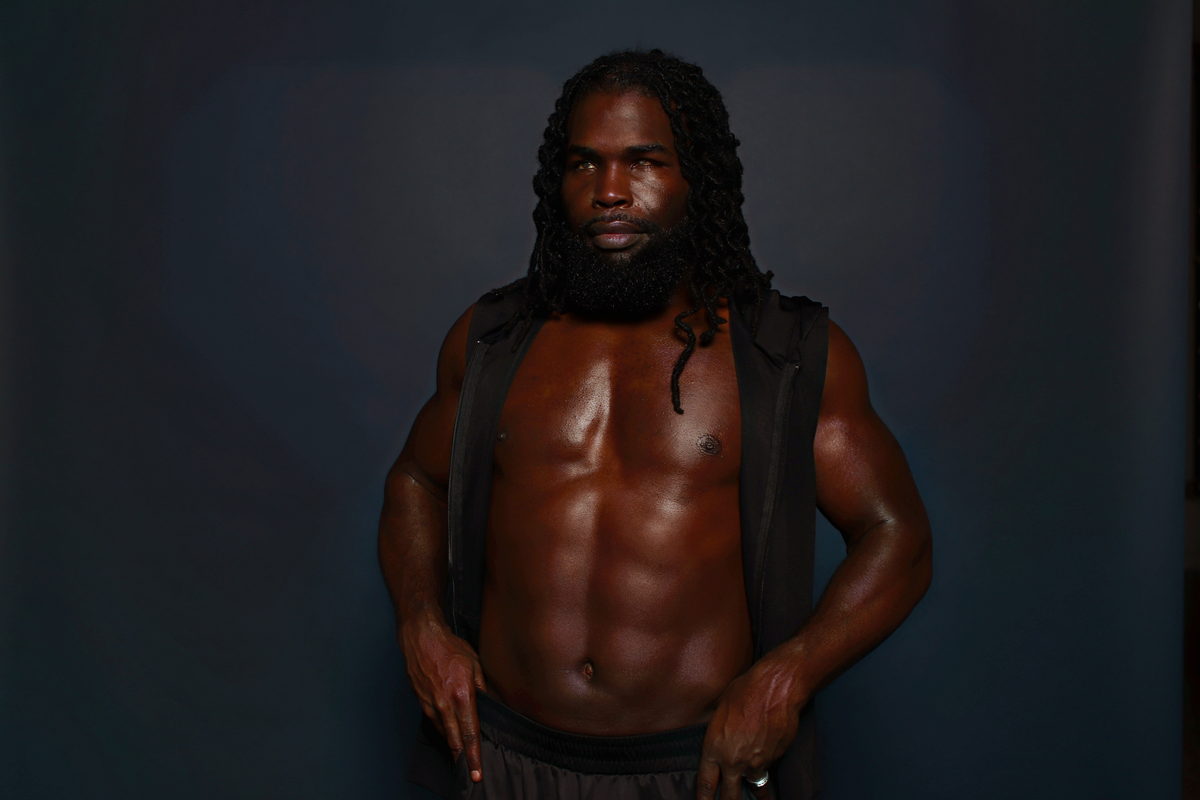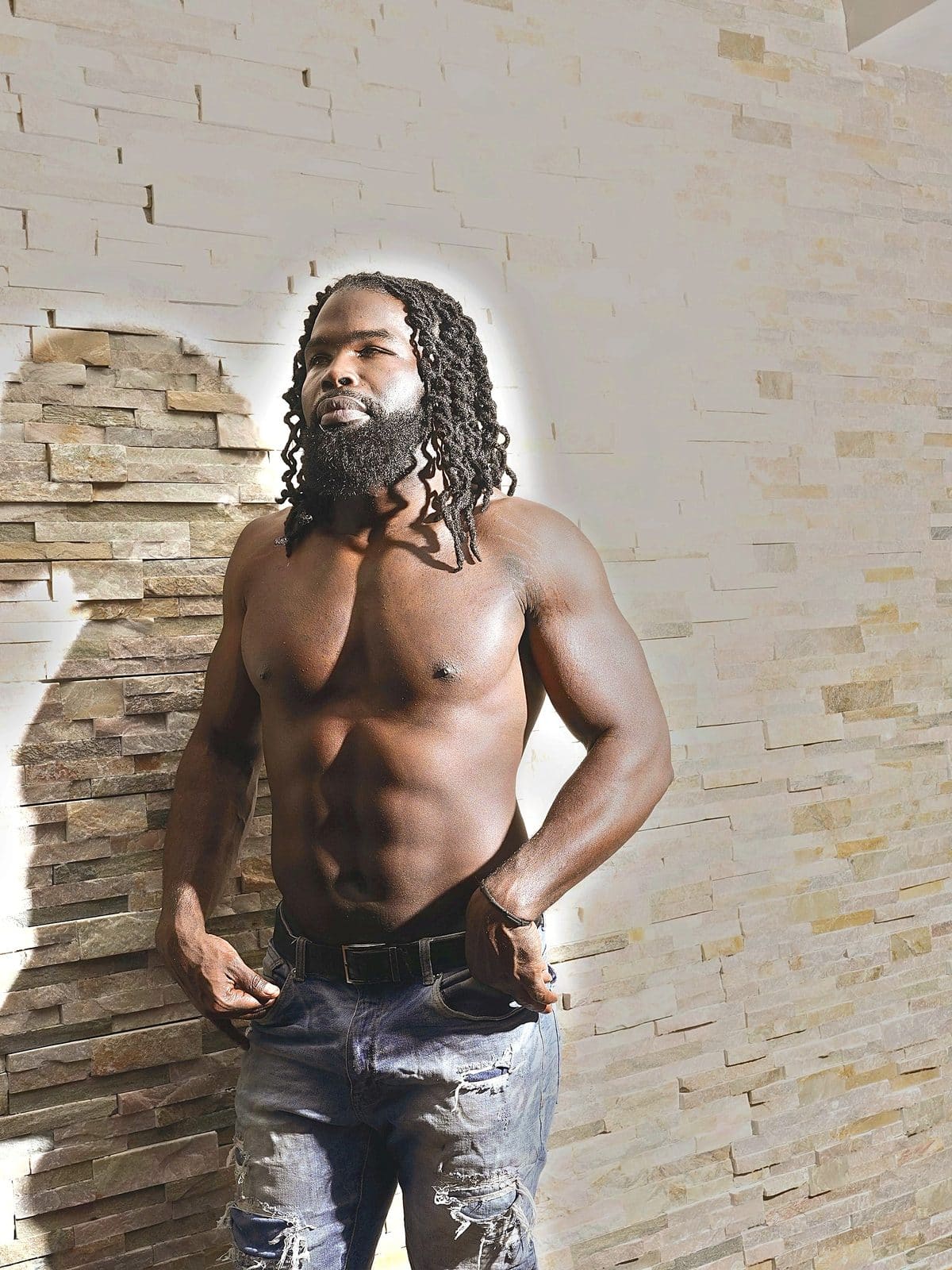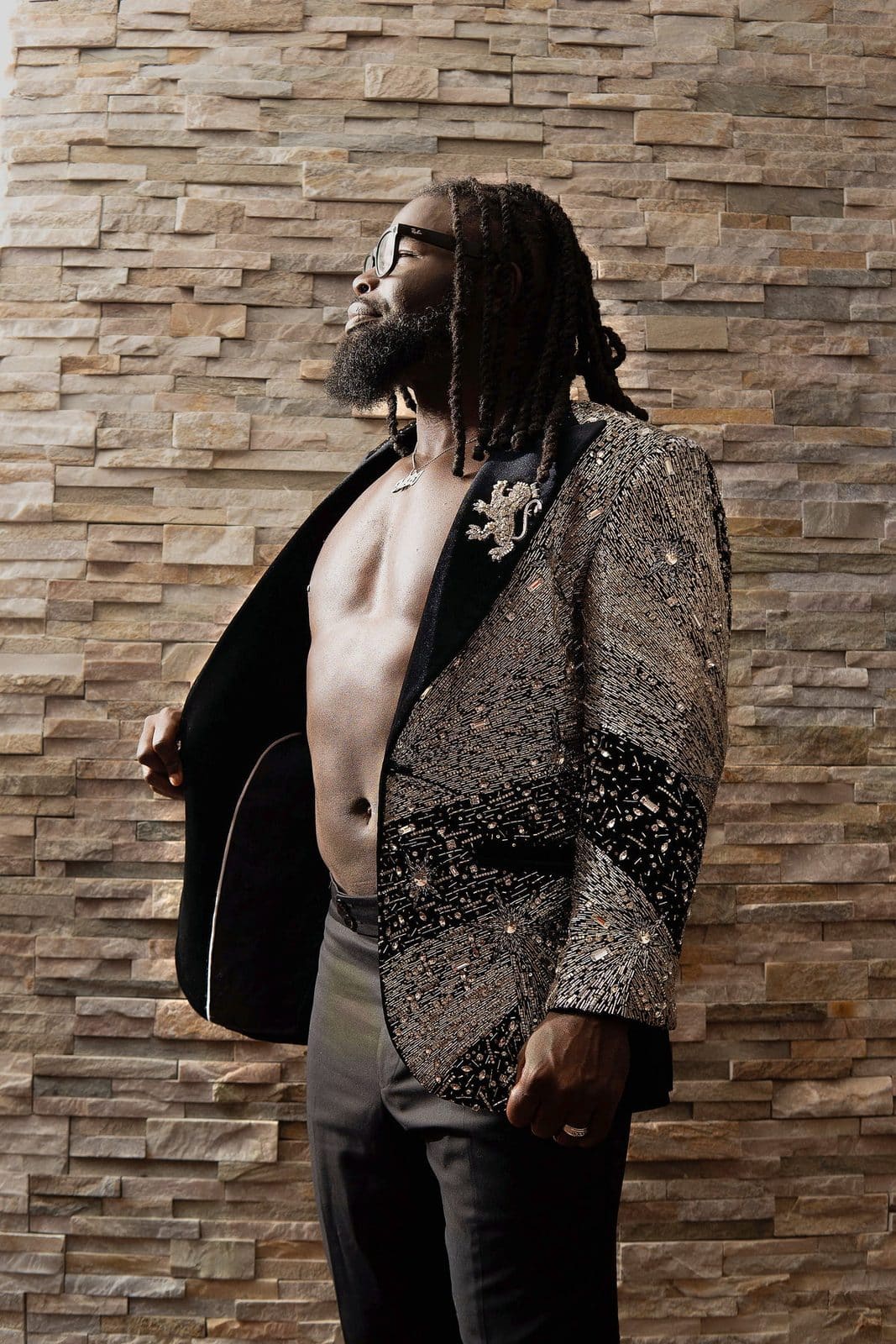
If you spend enough time around people who got into elite shape, you will eventually have a conversation in which one of them tells you, with surprising vulnerability, that the body did not solve the thing they thought it would. The transformation they fantasized about during the years of doing the work did not deliver on its emotional promise. They are leaner, stronger, more attractive — and they are still themselves, with the same anxieties, the same loneliness, the same restlessness.
This is worth knowing in advance. The body does a lot of things. Some of the things it doesn't do are the things people most quietly hoped it would.
What it does fix
Energy. Sleep quality. The way clothes fit. The way you carry yourself in a room. Your cardiovascular markers. Your insulin sensitivity. Your bone density. Your risk of half the diseases that kill middle-aged adults. The ease of physical movement through everyday life. The confidence that comes from being able to do hard physical things on demand.
These are not small. They are most of the substance of being a healthy adult. They compound across decades.
What it doesn't fix
Loneliness. A great body changes who flirts with you. It does not change whether you have friends who would help you move on a Tuesday. The same loneliness you had before is still there. Sometimes worse, because more people pay attention to you, and the gap between the attention you receive and the connection you have widens.
Anxiety. If you were an anxious person before, you are still an anxious person after. Different anxieties, sometimes. The shape of the worry shifts. The volume rarely drops.
Self-worth. This is the big one. People who get into shape often think the new body will finally make them feel like enough. Most of them report the opposite. The bar moves. Now they're worried about losing the body. Now they're comparing to leaner bodies. The self-worth gap that produced the work in the first place is still there; the only thing that has changed is the metric on which they're failing.
If you go in expecting the body to fix the self-worth problem, you will get the body and still feel the problem, and you will conclude that something else is wrong with you. Something else is not wrong with you. You were just trying to solve the wrong problem with the wrong tool.
Relationships. You become more attractive on paper. You don't become better at being a partner. If your relationships were hard before because of your communication patterns, your conflict avoidance, your unaddressed history, those are still there. A leaner version of an avoidant person is still avoidant. The work in the gym does not do the work in the heart.
What this means
Do the work. Get in shape. It will improve a lot of things. Almost all of the things you'd think.
Also: do the other work. The work that addresses the self-worth gap directly. The work that builds real friendships. The work that does the harder relational repair. The gym is the easiest of the three; the other two require things the gym cannot give you.
The people I know who are happiest in their adult lives are doing all three. They are in great shape. They have a few close people they actually let in. And they have done the inner work — on mindset, motivation, confidence, and the gap between who they are and who they thought they needed to be.
That inner work is exactly why Fit Beyond Sight is built for mind and body, not the body alone. We work the physical and the mental together: training, yes — and also mindset, motivation, accountability, confidence, and consistency. To be clear about what that is and isn't: Fit Beyond Sight is not therapy, not clinical care, not mental-health treatment, and not religious or spiritual instruction. It is a practical system for helping you move forward, physically and mentally. The body is part of the answer; the mind is the other part. Build both. Then keep going.