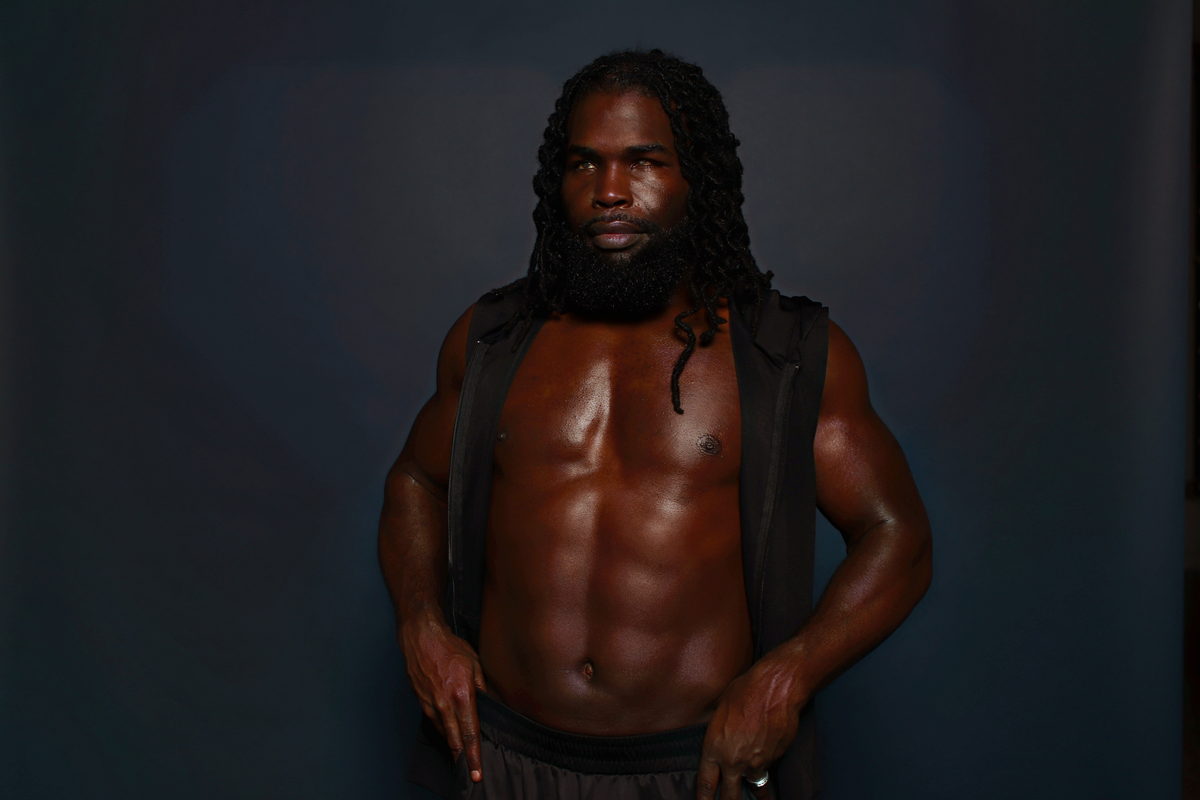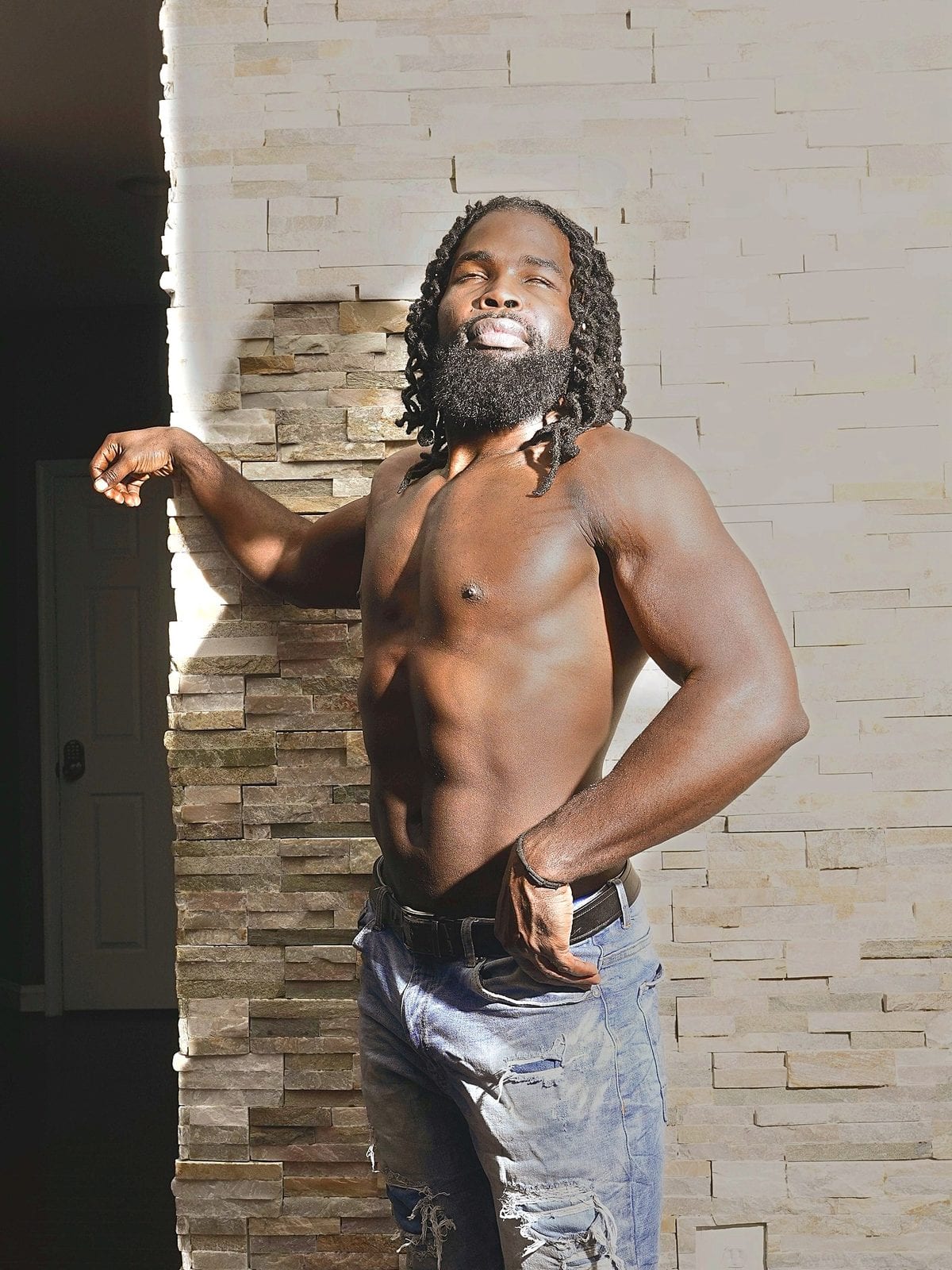
When you commit seriously to fitness, the body change is the most visible outcome but probably not the most important one. The bigger change is what happens in the surrounding life.
Some of it will feel obvious in advance. Some of it will catch you off guard. All of it is worth thinking about before you commit.
What changes that nobody warned you about
Your patience with low-effort people changes. When you start doing the work consistently, the people in your life who default to complaining about their bodies without doing anything about them become harder to be around. You don't want to be a jerk about it. You also can't pretend you don't notice the gap between what they say they want and what they do.
This is not snobbery. It is calibration. You are now operating at a different standard. Some friendships flex around the change. Some don't. The ones that don't reveal something that was already true; the fitness just brought it forward.
Dating changes. You will be treated differently by strangers. The honest version of this is uncomfortable to write because it sounds shallow, but it is true. You will get more attention. You will be talked to more often. Bartenders will remember you. Acquaintances will start to send long messages instead of short ones.
The trap is reading this as proof of your worth. It is not. It is proof of the way humans respond to physical signals, which has very little to do with you specifically and everything to do with biology that doesn't know your name. Enjoy it, take it lightly, don't let it shape your sense of self.
Family dynamics get weird sometimes. Particularly with family members who are not in great shape themselves. Your physical change is, in a way, a comment on choices that everyone in the family is also making, and some people will read it as an implicit critique even when you are not making one. Holidays get more complicated. Meals get pointed. Are you sure you can eat that? gets weaponised.
The fix is grace. Hold your standard, don't apologise for it, don't proselytise about it. Most family friction resolves within a year as people get used to the new version of you and stop expecting the old one to come back.
Work shows up differently. The energy you have changes. The discipline you've installed in your training tends to bleed into other domains. You take harder professional risks because the part of you that practices doing hard things is now more developed. The career has a way of leveling up alongside the body, in ways that are surprising in retrospect but rarely sudden.
What this means for the decision to start
If you start this work, you are committing to a process that will change more than your appearance. You are committing to becoming a person who shows up. That identity has costs and benefits across every dimension of your life, not just at the gym.
The costs are mostly social, and they are mostly small. The benefits are mostly internal, and they are mostly enormous. The trade is heavily skewed in favor of starting. But the trade is real, and pretending it isn't would be dishonest.
If you start this and you feel the social friction, you are not doing it wrong. You are doing it right, and the friction is the receipt for the change actually happening. The people who matter will catch up. The people who don't, won't, and that's information you needed anyway.
The work is worth it. Most of what makes it worth it has very little to do with how your shirt fits.