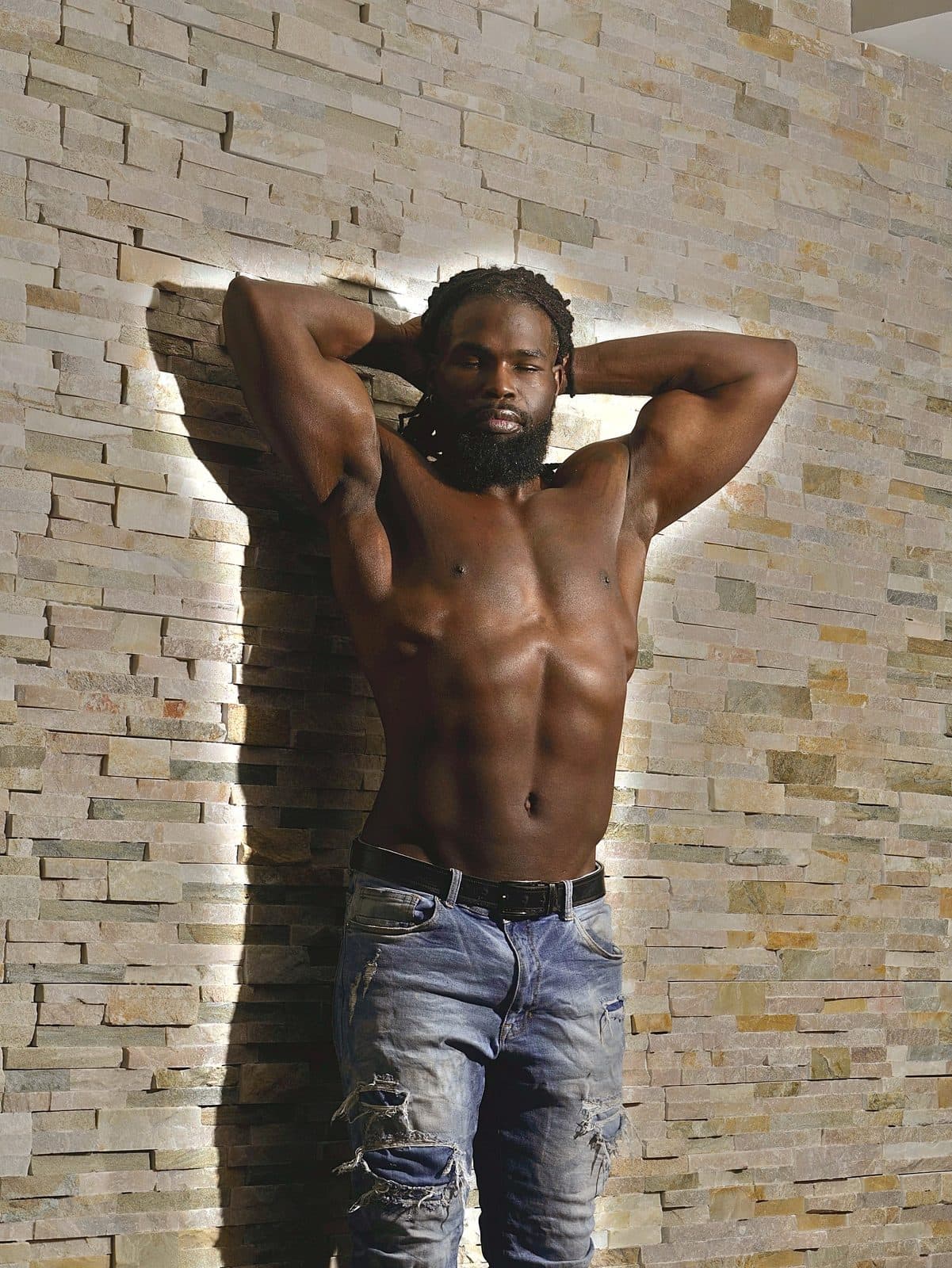
One of the most under-acknowledged things in fitness coaching is that most adults who want to be in better shape are not chasing a body they have never had. They are grieving one they used to have. They remember being twenty-five and effortlessly lean. They remember the photo from a wedding. They remember when their jeans fit. The version of themselves they are trying to reach is past, not future.
This matters because grieving a body is different work than building one. If you treat the project as purely forward — "here are your macros, here is your program, let's go" — you are missing the emotional weight that is doing most of the lifting underneath the surface. The grief shapes the relationship. Ignoring it makes the work harder.
What the grief actually is
It is not vanity. Most people who carry this don't say it out loud, and when they do they are usually self-deprecating about it. But the experience is real. It is the experience of looking in the mirror and not recognising the person looking back. The person looking back used to do things easily that now feel hard. The person looking back had options the present version does not.
Some of that is correctable. Some of it is not. The honest accounting is what makes the work productive.
What is correctable
Body composition is highly responsive to consistent training and consistent eating, at almost any adult age. The forty-five-year-old who trains intelligently for a year will have a meaningfully different body. So will the fifty-five-year-old. The sixty-five-year-old. The data on this is unambiguous. Muscle is built across all of these decades. Fat is lost. Bone density improves. Energy returns.
So part of the grief — "my body doesn't respond anymore" — is mostly false. It does respond. It responds slower than it did at twenty-five, and the response is partial, and it requires more consistency, but it responds. People who have been told their body has "slowed down" are usually being told a half-truth that lets them avoid the harder fact: their consistency has slowed down, and the body is just doing what consistency dictates.
What is not
The twenty-five-year-old version is not coming back. Some structural things change permanently. Skin elasticity. Joint cushioning. Recovery times. Hormonal context. You can build an impressive body at any age. You cannot build the specific body you had at twenty-five. The target needs to update.
This is where most clients silently get stuck. They have a reference image in their head from a specific summer of their life, and the work they are doing is being measured against it, and the work will always come up short because the body they want is not available to anyone, including themselves.
The fix is not to lower the standard. The fix is to update the reference. What does a great body for someone your age, with your history, with your current life, actually look like? That body exists. It is buildable. It is also genuinely impressive. The thirty-five-year-old who looks great at thirty-five is not failing to be twenty-five. They are succeeding at being thirty-five, which is different and harder.
How this changes the coaching
When I notice a client is operating from grief — and I usually can, within the first two or three calls — I do two things. First, I name it. "It sounds like part of what you're working on is the body you used to have." Some clients flinch. Some exhale. Most have never had a coach acknowledge this part of it.
Second, I redirect the comparison. We don't compare to the wedding photo. We compare to last month. We compare to last quarter. The reference becomes the trajectory, not the destination.
This is not psychological softening. It is more accurate measurement. The wedding photo was a peak. The current state is a starting line. Comparing the two is bad measurement. The right comparison is "am I closer to where I want to be than I was thirty days ago." That comparison can be won, weekly, for years.
If you are grieving a body you used to have, you are not weak for it. You are normal. The work is the same as anyone else's — show up, train, eat, sleep, repeat — but the framing matters. Update the reference. Win the trajectory. The peak you build at forty-five does not have to look like the peak from twenty-five. It can be its own thing. Some people find they like it more.